


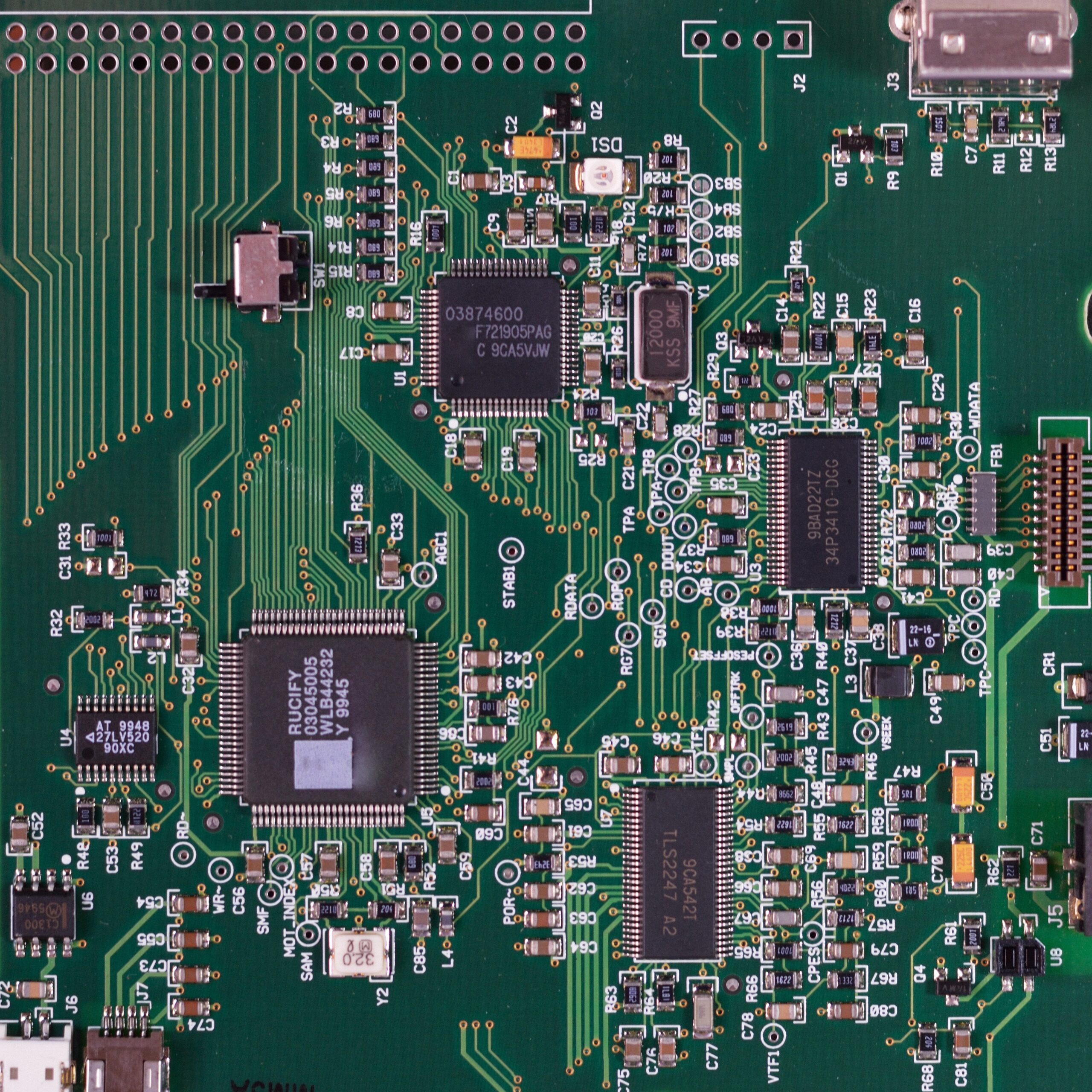





Organizations performance is deeply dependent on Information technology as the trends and dynamics of business performance are evolving.
Cloud Services, Cloud Software Migration, Cyber Threats, IT Leadership and common problems of IT in an organization. This leads to rapid and never-ending demand for change in technology making it an important factor of consideration about technology in organizations.
Information Technology (IT) trends are evolving and it is leading to advancement in the network structure, software tools, cloud service, etc. in a manner that the tech leader of the organization is unable to meet these needs every time. It is high time for the CIOs to realize these facts and take resolving measures against them.
These are seven facts about Information technology (IT) that exists but are hard to admit that are the following:
IT a Mandatory Requisite
Technology is so far spread that every person has their own IT world with a data center. It is difficult for CIOs to manage the organization’s environment. The main problem IT leaders have been facing in the past was Bring Your Own Device (BYOD) which now has changed to Bring Your Own Information Technology (BYOIT). The smart devices had made the employees smart enough to find solutions to problems by themselves and access the different applications from their smartphones that are relevant and pertinent to the problem. A few years back IT teams were in charge of making all the decisions related to all IT services but now different teams are smart enough to take their decisions related to their IT needs. IT only needs to know the services that are used by these teams and provide the compatibility environment for that. The IT team’s role is evolving from deciding their IT service to providing supervision.
Cloud Is Not a Solution to Every Problem
Cloud has changed the dynamics of entire IT operations. Cloud services are on their peak, many organization has shifted and some are planning to shift their operations on the cloud but still critical operations and data are not shifted to cloud. This leads to the development of a hybrid business IT infrastructure by keeping some resources online and some on-premises. Shifting the operations on the cloud is expensive in terms of change in the IT infrastructure. The decision towards cloud migration should be made with a clear understanding. Cloud migration needs change in the architecture and design of the organization’s IT infrastructure, it will not work on the same old legacy software.
Systems Are Hacked
Unsecure software leads to data risk. Data breaches and cyber-attacks have increased in recent years. The basic countermeasure taken by organizations is network security compliance is not enough. A common approach used by the developer is to think like a hacker and then develop solutions. The main focus of security should be data and not the devices linked with the network in an organization. The main reason for the systems being compromised is the mesh of devices and data generated from these devices is increasing exponentially.
Unsecure and Unpatched Software
A basic threat to any organization is the use of unpatched and insecure software. It can be a risk of security and compliance as unpatched software results in outdated software. Many businesses are unable to keep up with the change in the patches. Software developers pay less focus on security and upgrades due to time and budget pressures but it makes it open to cyber-attacks.
Race for Bandwidth
The basic drawback of this modern technology is that technology evolves rapidly. The same is the case with the network bandwidth. The bandwidth availability has evolved exponentially over the years that is handled depending on the intelligent management of the network.
IT Engineers and IT Services
Employees in organizations have become smart enough to use different technological devices and services on their own but it does not affect the importance of an IT department. Skill improvement and the use of the latest technology like robots can be serious support for IT management and experts. A major reason for this problem is the rigidness of IT managers. IT industry itself has evolved as compared to a few years back the role of IT was limited to information management and its development but over the years technological perspectives have changed focusing mainly on IoT devices and Artificial Intelligence (AI).
Importance of Soft Skills
Success criteria of an IT expert. A basic requirement of the IT professional is not only in his knowledge but also in the soft skills and emotional intelligence that the individual possesses. These skills make the conversion between the IT expert and non-technical staff easier. Development in AI has evolved rapidly the business operations in many ways by providing tools for automation, repetitive tasks, cloud services, security, and detailed big data analytics. It only depends on the skills of the tech experts that, how intelligently that individual uses them to establish the importance of IT leaders as a strategic partner for the organization.